About
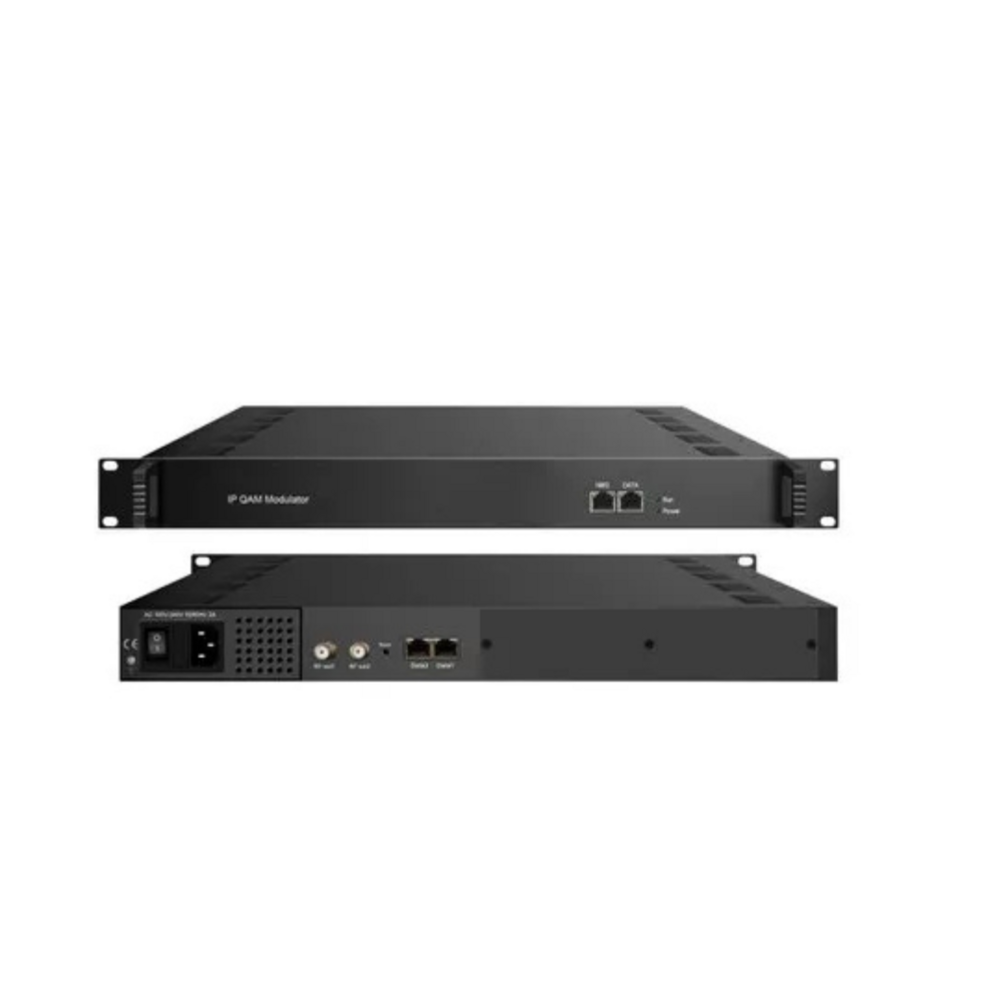
IP QAM modulation is a process where digital IP streams video audio or data are modulated into radio frequency RF output using QAM techniques This allows content providers to transmit digital TV and multimedia content over traditional coaxial cable networks without requiring users to upgrade infrastructure The 96 Channel version of this modulator represents a highcapacity device that supports simultaneous output on 96 distinct QAM frequencies making it suitable for highdemand environments with multiple content streams
Key Features of the 96 Channel IP QAM Modulator
High Channel Density
Supports up to 96 QAM output channels delivering a large number of digital TV video and data streams from a single device
Ideal for environments that require hundreds of programs to be broadcasted simultaneously
Multiple IP Inputs
Accepts IP multicastunicast streams over UDP RTP or HTTP protocols
Capable of receiving up to 1024 IP input streams and mapping them to QAM output channels as needed
Advanced Modulation
Compatible with multiple QAM types including 16QAM 64QAM 128QAM and 256QAM allowing for bandwidth optimization and improved signal robustness
Wide Frequency Range
Offers RF output over a broad frequency range 50 MHz to 860 MHz ensuring compatibility with a variety of cable systems and regional broadcasting standards
WebBased Interface
Includes a userfriendly web GUI for easy configuration monitoring and control of input streams modulation parameters and output channels
Builtin MUX and PSISI Editing
Integrated multiplexer for program aggregation and customizable PSISI tables for precise content delivery and channel labeling
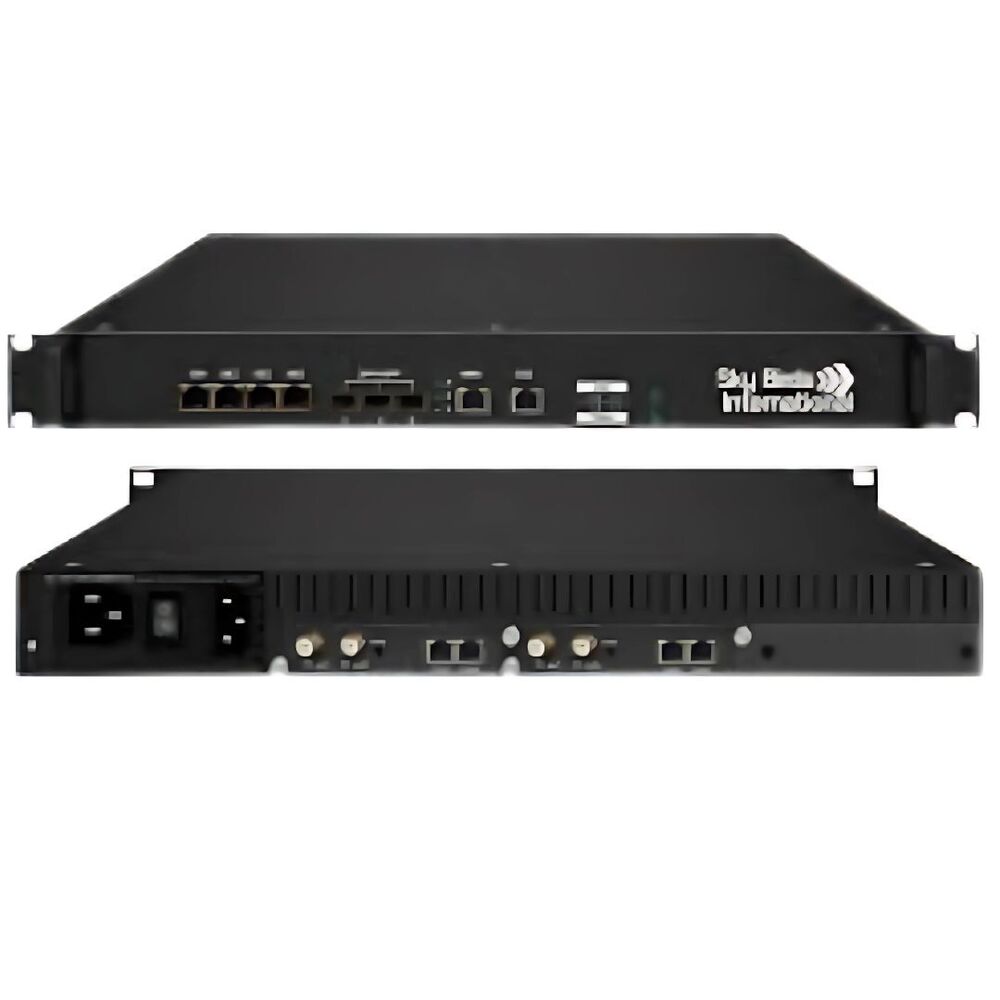
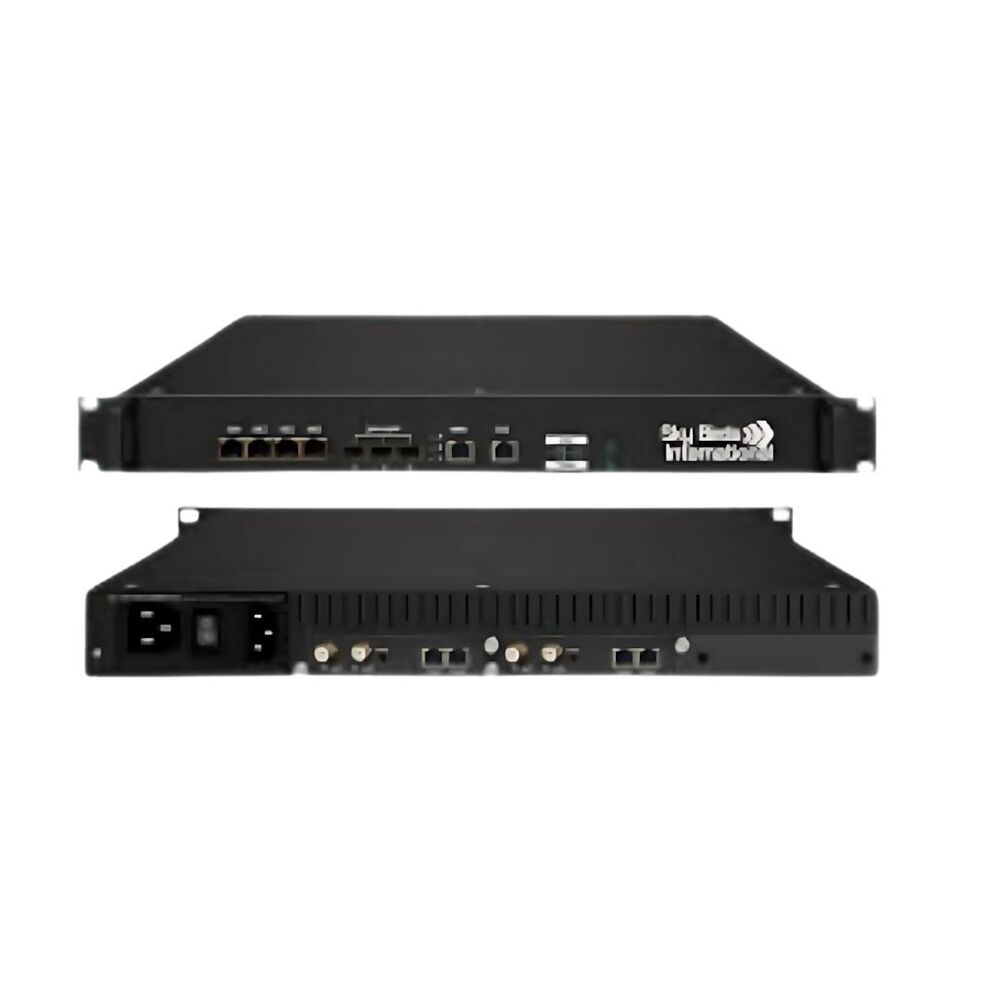
Versatile नेटवर्कing SolutionEngineered for maximum compatibility, the SBI IP QAM Modulator seamlessly integrates into diverse networking infrastructures, supporting a wide array of applications. Its sturdy metal construction and standard sizing simplify installation and maintenance, while ensuring lasting durability in demanding environments. Perfect for service providers and enterprises alike, it efficiently handles multiplexed signals across 96 channels.
Precision Performance and ReliabilityWith a consistent 50 Hertz operation and electric power supply, this modulator delivers stable, high-quality output needed for uninterrupted data or media transmissions. Ideal for Indian markets, it meets the requirements of distributors, exporters, manufacturers, and traders who demand both reliability and performance. The one-year shelf life underlines the device's quality assurance, making it a trusted choice in the networking sector.
FAQ's of SBI IP QAM MODULATOR 96 CHANNEL:
Q: How is the SBI IP QAM Modulator 96 Channel typically used in networking applications?
A: The modulator is used to combine multiple IP-based data streams and convert them into RF signals, facilitating the delivery of digital video or data over standard cable networks. It is suitable for large-scale deployments such as hotels, campuses, or cable operators.
Q: What are the main benefits of using this QAM modulator in my network setup?
A: It offers high channel density by supporting up to 96 channels, enabling efficient utilization of bandwidth while reducing hardware requirements. Its durable metal build ensures longevity, and the device's standard size allows for convenient installation and scalability.
Q: When should the SBI IP QAM Modulator be serviced or replaced?
A: The device is designed with a shelf life of one year. It is recommended to monitor device performance regularly and schedule preventive maintenance or replacement as it approaches the end of its shelf life to ensure uninterrupted network operations.
Q: Where can I purchase or source this modulator in India?
A: The SBI IP QAM Modulator is available across India from a range of suppliers, including distributors, exporters, manufacturers, traders, and wholesalers. Contacting authorized networking equipment suppliers is the most reliable way to procure the product.
Q: What is the process for installing the SBI IP QAM Modulator in an existing infrastructure?
A: Installation involves rack mounting the standard-sized device, connecting it to the electric power source, and linking it with other networking hardware. Configuration typically requires accessing the device interface to allocate channel assignments and frequency settings according to network requirements.
Q: How does the 50 Hertz frequency and electric power supply impact the modulator's usage?
A: The 50 Hertz frequency ensures compatibility with standard electrical systems in India, and the stable electric power supply allows for consistent modulator performance, reducing the risk of transmission errors or downtime.